Tanganyika: A Handwritten Font for Crafters
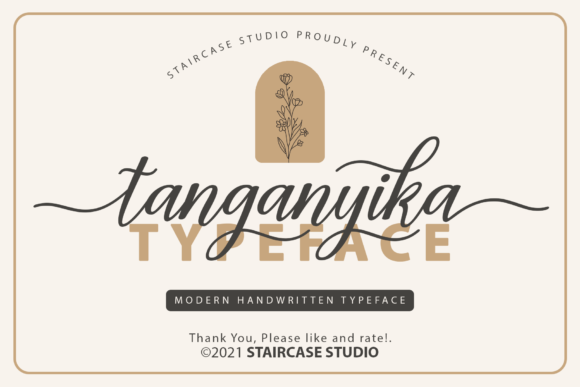
As a maker who spends hours perfecting the curve of a vinyl cut or adjusting the kerning on a wedding invitation, I know that the right typeface can make or break a product. We are not just selling items; we are selling feelings, memories, and aesthetics. This is why finding a script font that balances artistic flair with practical readability is so crucial for our businesses. Enter Tanganyika, a flowing and well-balanced handwritten font that has quickly become a staple in my design toolkit for everything from boutique labels to large-scale signage.
Tanganyika belongs to the Script Amp category, which tells you immediately that it is designed to stand out. It is not a shy, background typeface. It has personality, rhythm, and a distinct charm that feels both modern and timeless. For those of us creating physical products, this visual appeal translates directly into perceived value. When a customer picks up a candle with a Tanganyika label, or receives a birthday card featuring its elegant loops, they perceive the item as high-quality and thoughtfully designed. That emotional connection is what turns a one-time buyer into a loyal customer.
Practical Applications for Handmade Products
The versatility of Tanganyika makes it an excellent choice for a wide range of craft projects. Because it is a display font, it shines brightest when used for short phrases, names, titles, and decorative wording. It is not intended for long paragraphs of body text, but for the moments where you need to catch the eye and hold attention.
Consider the world of product packaging and labeling. If you sell handmade soaps, candles, or baked goods, your label is your primary marketing tool. Tanganyika’s smooth strokes and balanced weight look exceptional on small stickers and wrap-around labels. The font’s clarity ensures that even at smaller sizes, the brand name remains legible, while the script elements add a touch of luxury that plain sans serif fonts often lack. I have used it extensively for boutique clothing tags, where the handwritten feel reinforces the "made with love" narrative that handmade sellers strive to convey.
In the realm of stationery and events, Tanganyika is a powerhouse. Wedding invitations, save-the-dates, and welcome boards benefit immensely from its romantic yet structured style. It pairs beautifully with floral illustrations and minimalist layouts alike. For printable creators, this font is ideal for planner headers, motivational wall art, and greeting cards. The flow of the letters mimics natural handwriting, giving digital downloads an authentic, human touch that resonates with buyers looking for personalization.
Readability and Production Tips
One of the biggest challenges with script fonts is ensuring they remain readable after production. Whether you are cutting vinyl with a Cricut or Silhouette, or printing on textured paper, readability is key. Tanganyika is designed with well-balanced proportions, which helps significantly here. However, as a creator, you must still pay attention to spacing and size.
When using Tanganyika for small product labels or stickers, avoid scaling the font down too much. The intricate connections between letters can blur if printed at very small sizes or if the vinyl weeding becomes too difficult. I recommend testing your designs on actual materials before finalizing a batch. Print a sample sheet on your intended paper stock, or cut a test piece of vinyl to ensure the bridges between letters hold up. For cutting machines, ensure your software recognizes the ligatures correctly. Since Tanganyika is PUA encoded, you can access all the special glyphs and alternates easily, which allows you to customize connections for better flow and clarity in tight spaces.
For larger applications, such as farmhouse signs or tote bags, Tanganyika’s bold strokes hold up well. The font maintains its integrity even when scaled up, making it suitable for wall decals and large-format prints. Just remember that white space is your friend. Give the letters room to breathe so the elegance of the script is not lost in clutter.
Font Pairing for Brand Consistency
A strong brand identity relies on consistent typography. While Tanganyika is stunning on its own, it often works best when paired with a complementary typeface. The key is contrast. Since Tanganyika is an expressive, flowing script, it pairs exceptionally well with clean, simple sans serif fonts. This combination creates a modern, professional look that is easy on the eyes.
For example, if you are designing a logo for a skincare line, use Tanganyika for the brand name to evoke warmth and organic qualities, and pair it with a minimal sans serif for the product description or ingredients list. This hierarchy guides the customer’s eye and ensures that essential information is readable. Alternatively, for a more traditional or rustic feel, you might pair it with a classic serif font. This works wonderfully for wedding stationery or vintage-inspired printable art. The contrast between the structured serif and the free-flowing script adds depth and sophistication to the design.
Avoid pairing Tanganyika with other overly decorative or handwritten fonts. This can create visual noise and make the design feel chaotic. Stick to one hero script and support it with neutral, clean typefaces for body text and secondary information.
Technical Features and Commercial Use
From a technical standpoint, Tanganyika offers features that streamline the design process. Being PUA encoded is a significant advantage for crafters. It means you can access all the glyphs, alternates, and swashes directly through your design software without needing complex character maps. This allows for quick customization, letting you swap out letterforms to create unique ligatures or fix awkward spacing issues instantly. This flexibility is invaluable when creating custom names for personalized gifts or unique logos for clients.
Before incorporating Tanganyika into your commercial products, always review the licensing agreement. Most premium fonts offer different licenses for personal and commercial use. If you are selling physical products like mugs, shirts, or invitations, or if you are creating digital downloads and templates for resale, ensure you have the appropriate commercial license. This protects your business and respects the work of the type designer. Using a properly licensed commercial font also adds professionalism to your brand, showing customers that you value quality and legal compliance in your design assets.
In conclusion, Tanganyika is more than just a pretty typeface; it is a functional tool for the modern crafter. Its balance of beauty and readability makes it suitable for a vast array of applications, from delicate jewelry tags to bold wedding signs. By understanding its strengths, pairing it wisely, and respecting its technical features, you can elevate your product presentations and create designs that truly connect with your audience. Whether you are a seasoned designer or a hobbyist just starting out, adding Tanganyika to your library is a step toward more polished, professional, and appealing handmade creations.